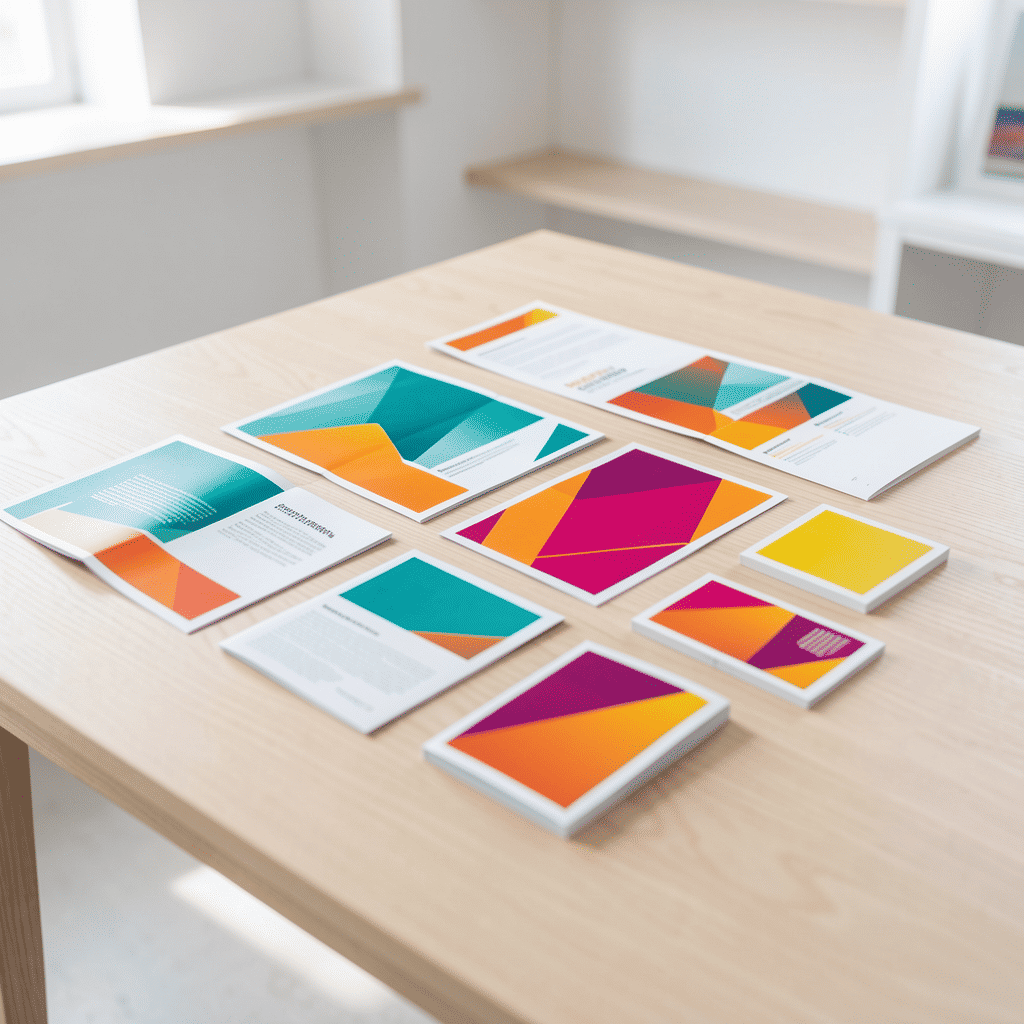
In today's fast-paced digital world, where screens dominate our daily interactions, the power of print media still holds a unique and compelling allure. Despite the surge in online marketing tools, print media continues to leave a lasting impression, offering a tangible connection that digital media often lacks. From brochures to flyers, designing stunning print media is an art that requires a keen eye for detail, a deep understanding of design principles, and a touch of creativity.
Print media design is more than just arranging text and images on paper. It's about creating an experience that resonates with the audience, sparking interest and encouraging engagement. Whether it's the texture of a well-chosen paper stock, the vibrant color palette, or the strategic placement of elements, every aspect of print design works together to tell a compelling story.
Brochures: The Power of Storytelling
Brochures are a classic form of print media, offering a versatile platform to communicate brand stories, product details, and services. A well-designed brochure can captivate a reader from the moment it's picked up. The key lies in balancing aesthetic appeal with informative content. High-quality imagery, succinct yet impactful text, and a cohesive layout all contribute to a brochure that not only informs but also immerses the reader in the brand experience.
Consider the use of fold techniques to guide readers through your story. Tri-folds, z-folds, or gate-folds can add an element of surprise and interaction, keeping the audience engaged. Additionally, thoughtful typography and strategic color schemes reinforce brand identity and make the content easy to digest.
Flyers: Captivating at First Glance
Flyers, on the other hand, are designed for quick consumption, making the first impression more critical than ever. With limited space, a flyer must convey the essence of the message in a direct and visually striking manner. Bold headlines, eye-catching graphics, and a clear call-to-action are essentials in flyer design.
The use of negative space plays a crucial role in creating a clean, uncluttered look that enhances readability. Creative use of shapes and color contrasts can draw attention to key information. Moreover, understanding the target audience is paramount; knowing what appeals to them ensures that the flyer not only captures attention but also resonates with their needs and interests.
The Tactile Advantage
One of the most significant advantages of print media is its physical, tactile nature. Unlike digital media, print offers a sensory experience that engages more than just the visual senses. The choice of paper, finishes, and special effects such as embossing or foil stamping, add a layer of dimension and sophistication to the design. These elements can evoke emotions and create memorable experiences that linger long after the initial interaction.
Sustainability in Print Design
With increased awareness about environmental impact, sustainable practices have become an integral part of print media design. Designers are opting for eco-friendly materials and printing processes, ensuring that their creations are as kind to the planet as they are captivating to the audience. Recycled papers, soy-based inks, and energy-efficient printing methods are being embraced to reduce the carbon footprint while maintaining high-quality aesthetics.
In conclusion, the art of creating stunning print media lies in the harmonious blend of creativity, storytelling, and sensory engagement. From brochures that narrate brand journeys to flyers that grab attention at a glance, print media design is a craft that continues to evolve while holding steadfast to its timeless roots. By understanding the nuances of design principles and the preferences of target audiences, designers can create print media that not only stands out but also makes a meaningful, memorable impression.