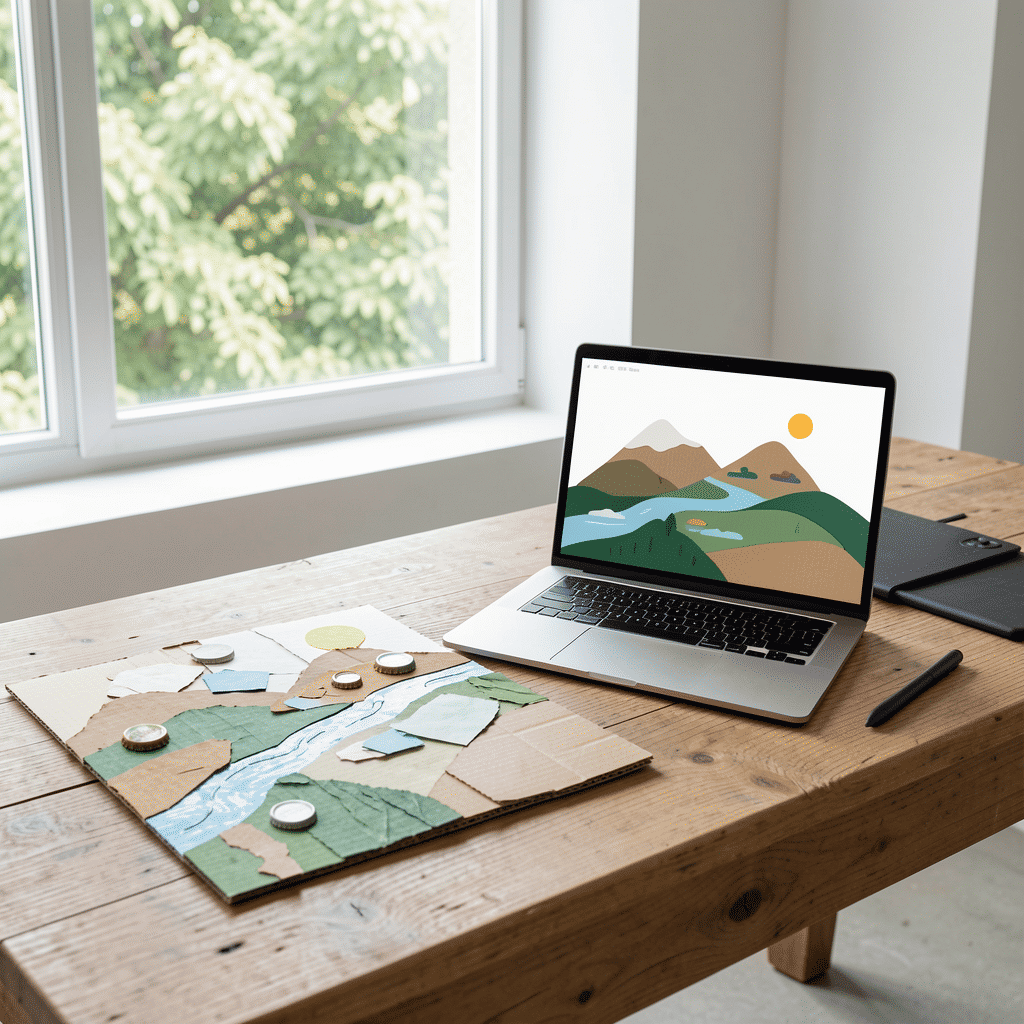
In today's world, where environmental concerns are at the forefront, the design industry is increasingly recognizing the importance of sustainability. Incorporating eco-friendly practices into graphic design not only helps reduce environmental impact but also aligns with the growing consumer demand for green products and services. Here’s how you can integrate sustainability into your design process.
Understanding the Materials
Start by choosing materials that have minimal environmental impact. For print designs, opt for recycled paper or paper sourced from responsibly managed forests. Many printing companies offer soy or vegetable-based inks, which are less harmful than traditional petroleum-based inks. Additionally, consider energy-efficient printing processes to further reduce carbon footprint.
Digital Solutions
Emphasizing digital over print is a powerful way to cut down on physical waste. By creating digital graphics, you’re not only saving trees but also reducing transportation emissions. Explore the potential of creating digital brochures, e-books, and presentations that can be easily shared and accessed online.
Optimizing File Formats and Sizes
When working digitally, be strategic about file sizes and formats. Choose formats that compress well without losing quality, like JPEGs for photographs or PDFs for documents. Reducing file sizes helps lower energy consumption during storage and transmission. This becomes particularly important as the internet’s carbon footprint continues to grow.
Conscious Color Choices
Color usage can impact a design's sustainability. Light colors require less ink, so consider using them to minimize material use. Also, focus on creating designs that maintain vibrance and clarity in monochromatic or grayscale, which further conserves ink.
Sustainable Typography
Fonts can also contribute to a design's environmental impact. Choose typefaces that are legible at smaller sizes so you can fit more content on less space, reducing material usage. Additionally, avoid heavily elaborate typefaces that require more ink.
Embracing Minimalism
A minimalist approach to design not only aligns with current aesthetic trends but also supports sustainability. By focusing on essential elements and using space wisely, minimalist designs often require fewer resources to produce, whether in print or online.
Lifecycle Considerations
Think about the entire lifecycle of your design from creation to disposal. If the design is printed, incorporate instructions for recycling or reusing. For digital designs, ensure that files can be easily updated or repurposed to extend their usability.
Collaboration with Green Partners
Work with suppliers and partners who prioritize sustainability. Whether it's a printing company or a digital platform, choose those who offer eco-friendly services and materials. This will not only reinforce your commitment to the environment but may also inspire clients and consumers to consider sustainability in their choices.
Continuous Learning and Improvement
Sustainability is an ever-evolving field. Stay informed about new eco-friendly materials, technologies, and practices. Join forums, workshops, or online communities that focus on sustainable design to exchange ideas and learn from others in the industry.
By prioritizing eco-friendly practices in your graphic design workflow, you're contributing to a healthier planet while appealing to environmentally conscious consumers. The choices you make as a designer have the potential to inspire and initiate broader change across industries. Embracing sustainable design is not only a professional responsibility but an opportunity to lead in an increasingly eco-aware world.